

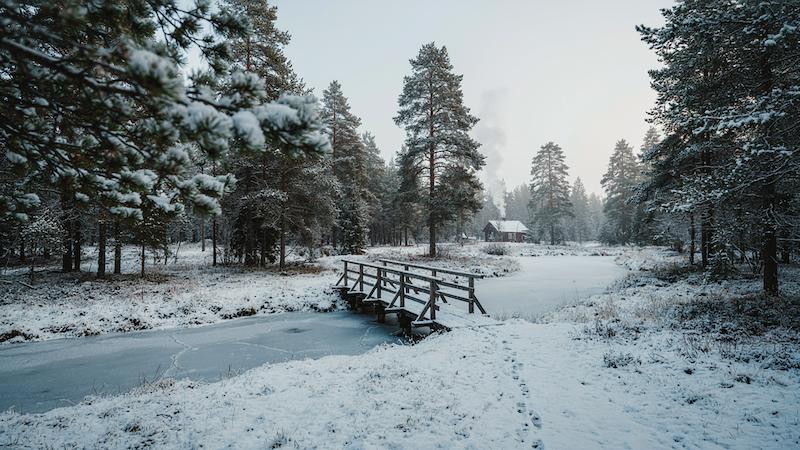
A winter in bengal paragraph describes the pleasant weather, natural beauty, traditional food, and cultural celebrations that make winter special in West Bengal. The season generally lasts from November to February, bringing cool mornings, gentle sunshine, fresh vegetables, and delicious Bengali sweets made with nolen gur. From enjoying pithe and patishapta at home to attending Poush Mela in Santiniketan, winter offers many experiences worth writing about. Whether you need a short paragraph for school homework or a longer essay for an examination, the following examples explain Bengal’s winter season in simple, clear English.
Winter in Bengal Paragraph in 100 Words
Winter is a pleasant season in Bengal. It generally begins in November and continues until February. The weather becomes cool, and mornings are sometimes covered with mist. People enjoy warm sunshine, fresh vegetables, and delicious sweets made with nolen gur. Pithe and patishapta are popular delicacies in Bengali households. Many families organise picnics and visit fairs during this time. Farmers grow and harvest seasonal crops, while local markets offer a variety of fresh produce. The comfortable weather makes outdoor activities enjoyable. Winter is loved by many people in Bengal because of its natural beauty, traditional food, and cheerful atmosphere.
Winter in Bengal Paragraph in 200 Words
Winter is one of the most enjoyable seasons in Bengal. It usually extends from November to February, and January is often the coldest month. The temperature drops, mornings may be misty, and the sunshine feels pleasant. After months of heat and humidity, the cooler weather makes everyday activities more comfortable.
The countryside has a special charm during this season. Dew settles on grass and leaves, while agricultural fields remain busy with seasonal crops. Vegetable markets offer fresh cauliflower, cabbage, carrots, radishes, and green peas. These ingredients become a regular part of many Bengali meals.
Traditional food makes winter even more enjoyable. Families prepare pithe and patishapta using rice flour, coconut, milk, and jaggery. Nolen gur, made from date palm sap, is particularly popular for its rich flavour and aroma. Many people look forward to these seasonal sweets throughout the year.
Winter is also a time for picnics, family outings, and cultural celebrations. Poush Mela in Santiniketan attracts visitors interested in folk music, handicrafts, and local traditions. In Kolkata, Christmas brings festive decorations, illuminated streets, and lively markets. Together, the pleasant weather, seasonal delicacies, and celebrations make winter a memorable time in Bengal.
Winter in Bengal Paragraph in 300 Words
Winter brings a refreshing change to Bengal after the hot and humid months of the year. The season usually begins in November and continues until February. Temperatures fall, the mornings become cooler, and soft sunshine makes afternoons comfortable. For many residents, this is an ideal time to enjoy outdoor activities and appreciate the beauty of the surrounding landscape.
The villages of Bengal look particularly peaceful during winter. Mist may cover open fields early in the morning, and droplets of dew remain on grass and leaves. Farmers work with seasonal crops, while vegetable markets fill with fresh produce. Cauliflower, cabbage, radishes, carrots, and green peas are common sights during this period. These vegetables bring variety to everyday meals and are used in many traditional dishes.
Winter is equally important for Bengali food culture. Families prepare pithe and patishapta, which come in different varieties depending on the ingredients and local customs. Rice flour, coconut, milk, and jaggery are commonly used. Nolen gur, a fragrant date palm jaggery associated with the colder months, adds a distinctive flavour to sweets and desserts. Joynagarer moa, made with puffed rice and jaggery, is another seasonal favourite.
The season also provides opportunities for recreation and cultural gatherings. Families and friends arrange picnics, schools organise outings, and visitors travel to popular destinations. Santiniketan’s Poush Mela is known for its traditional crafts, music, and performances. Kolkata becomes lively during Christmas, when streets and markets take on a festive appearance.
Winter does not feel the same everywhere in Bengal. The southern plains generally have mild weather, while Darjeeling and other elevated areas in North Bengal experience much colder conditions. Clothing and daily routines change according to the local climate.
Overall, winter is valued for more than its cool weather. It connects people with seasonal harvests, traditional recipes, cultural events, and outdoor experiences. These features give the season a distinct place in Bengal’s everyday life and make it enjoyable for residents and visitors.
Winter in Bengal Paragraph in 400 Words
Winter is a welcome season in Bengal, offering relief from the heat and humidity that characterise much of the year. It generally arrives in November and continues until February. The temperature gradually falls, mornings become cooler, and the sunshine feels pleasant during the day. January is often the coldest month, although the weather varies considerably between the plains and the hills.
One of the most appealing features of winter is the changing appearance of the countryside. Early in the morning, a thin layer of mist may settle over fields and gardens. Dew rests on leaves, flowers, and blades of grass, creating a fresh atmosphere. As the day progresses, the sunlight brightens the landscape. Farmers remain busy with seasonal agricultural work, and local markets display a wide range of vegetables, including cauliflower, cabbage, carrots, radishes, and green peas.
Food is an essential part of the winter experience. Bengali households often prepare traditional pithe and patishapta using rice flour, coconut, milk, and jaggery. Nolen gur, produced from date palm sap, is especially valued for its distinctive sweetness. It is used in several desserts, including sandesh and payesh. Sweet shops also offer seasonal treats that attract people eager to enjoy flavours associated with this time of year.
Winter encourages people to spend more time outside. Families plan picnics, friends meet in parks, and students enjoy school excursions. The comfortable climate also makes sightseeing more enjoyable for visitors exploring Bengal’s historical buildings, gardens, and cultural attractions.
Festivals add another dimension to the season. Poush Mela in Santiniketan brings together music, handicrafts, traditional performances, and local culture. Kolkata celebrates Christmas with decorated streets, festive markets, and illuminated public spaces. Smaller fairs and community gatherings take place in different parts of the state, giving people opportunities to meet and celebrate.
Regional differences are worth mentioning. Kolkata and much of southern Bengal usually experience moderate winter temperatures. In contrast, Darjeeling and the surrounding mountainous areas can become significantly colder. Residents in these locations often need warm clothing, particularly during the morning and evening. Fog can also reduce visibility on some winter mornings.
Agriculture benefits from the seasonal conditions, as many vegetables grow well in cooler weather. Their availability supports local markets and encourages households to prepare a greater variety of fresh dishes.
Winter gives Bengal a character of its own through its natural scenery, traditional food, cultural events, and relaxed outdoor activities. It is a season when families maintain old customs while enjoying the simple pleasures of everyday life.
Winter in Bengal Paragraph in 500 Words
Winter is a much-loved season in Bengal because it changes the weather, the landscape, and the rhythm of everyday life. After the humid monsoon and hot summer, cooler mornings and gentle sunshine offer welcome relief. Winter generally lasts from November to February, with January often being the coldest month. However, temperatures differ across the state, so the experience of winter in Kolkata is not the same as it is in the hills of North Bengal.
The natural surroundings become especially attractive during this period. In rural areas, mist sometimes hangs over open fields in the early morning, while dew collects on grass and leaves. When the sun rises, the landscape gradually becomes brighter. Farmers tend to their crops, and local markets fill with fresh seasonal vegetables. Cauliflower, cabbage, carrots, radishes, and green peas are widely available and feature in many home-cooked meals. For people who enjoy fresh produce, winter brings plenty of variety.
Bengali food traditions are closely connected with the season. Many families prepare pithe and patishapta, using recipes that have been passed down through generations. Depending on the variety, these delicacies may contain coconut, milk, rice flour, or jaggery. Nolen gur, made from date palm sap, is especially popular during winter. Its rich aroma and distinctive sweetness make it a favourite ingredient in traditional desserts such as sandesh and payesh. Joynagarer moa, a sweet made with puffed rice and jaggery, is another treat associated with the colder months. These foods often bring family members together in the kitchen and around the dining table.
The pleasant weather also makes winter suitable for picnics, sightseeing, and outdoor recreation. Families gather in parks or open spaces, friends organise outings, and schools arrange excursions. Visitors can explore historical sites, gardens, and cultural destinations without facing the intense heat of summer. For many people, even a simple afternoon outdoors becomes an enjoyable way to spend the season.
Cultural events make winter particularly lively. Poush Mela in Santiniketan is known for its folk music, handicrafts, performances, and connection with Bengali culture. Christmas celebrations add a festive atmosphere to Kolkata, where decorated streets, illuminated buildings, and seasonal markets attract residents and tourists. Local fairs and community gatherings also provide opportunities to enjoy music, food, and regional traditions.
The climate varies across Bengal. Kolkata and the southern plains usually experience relatively mild winters, while Darjeeling and other elevated areas can become much colder. People in the hills often need heavier woollen clothing, especially in the early morning and after sunset. Fog may occasionally affect visibility, making extra care necessary for road travel.
Winter is also an important period for seasonal agriculture. Cooler conditions support the cultivation of many vegetables, giving farmers opportunities to supply fresh produce to local markets. This connection between weather, farming, and food is an important part of rural life.
For students, the subject offers a useful way to describe Bengal’s climate, traditions, and daily activities. A well-written paragraph should explain not only what the weather feels like but also how the season affects food, festivals, farming, and recreation.
In conclusion, winter brings together many things that people appreciate about Bengal: fresh vegetables, traditional sweets, peaceful landscapes, cultural celebrations, and time spent with family and friends. These familiar experiences give the season its lasting appeal and make it an important part of Bengal’s regional identity.
Wrapping Up
Winter gives Bengal a distinctive charm through its pleasant weather, misty mornings, seasonal harvests, and traditional celebrations. From enjoying homemade pithe to visiting a fair or spending a sunny afternoon with family, the season offers many simple pleasures. Its appeal lies not only in the cooler temperatures but also in the customs, foods, and shared experiences that accompany them. A winter in bengal paragraph captures these seasonal qualities while showing how weather, culture, and everyday life come together across the state.
Frequently Asked Questions (FAQs)
Q1. When does winter begin in Bengal?
Winter generally begins in November and continues until February. January is often the coldest month, although temperatures vary by region.
Q2. What is the weather like during winter in Bengal?
The plains usually experience cool mornings and pleasant daytime weather. The northern hills can be considerably colder, particularly during early mornings and evenings.
Q3. Which foods are popular in Bengal during winter?
Popular seasonal foods include pithe, patishapta, nolen gur sweets, koraishutir kochuri, and Joynagarer moa.
Q4. Which festivals take place in Bengal during winter?
Poush Mela in Santiniketan and Christmas celebrations in Kolkata are notable winter events. Makar Sankranti and local fairs are also associated with the season.
Q5. Why do people enjoy winter in Bengal?
Many people enjoy the mild weather, fresh vegetables, traditional sweets, family picnics, cultural events, and opportunities to spend time outdoors.