

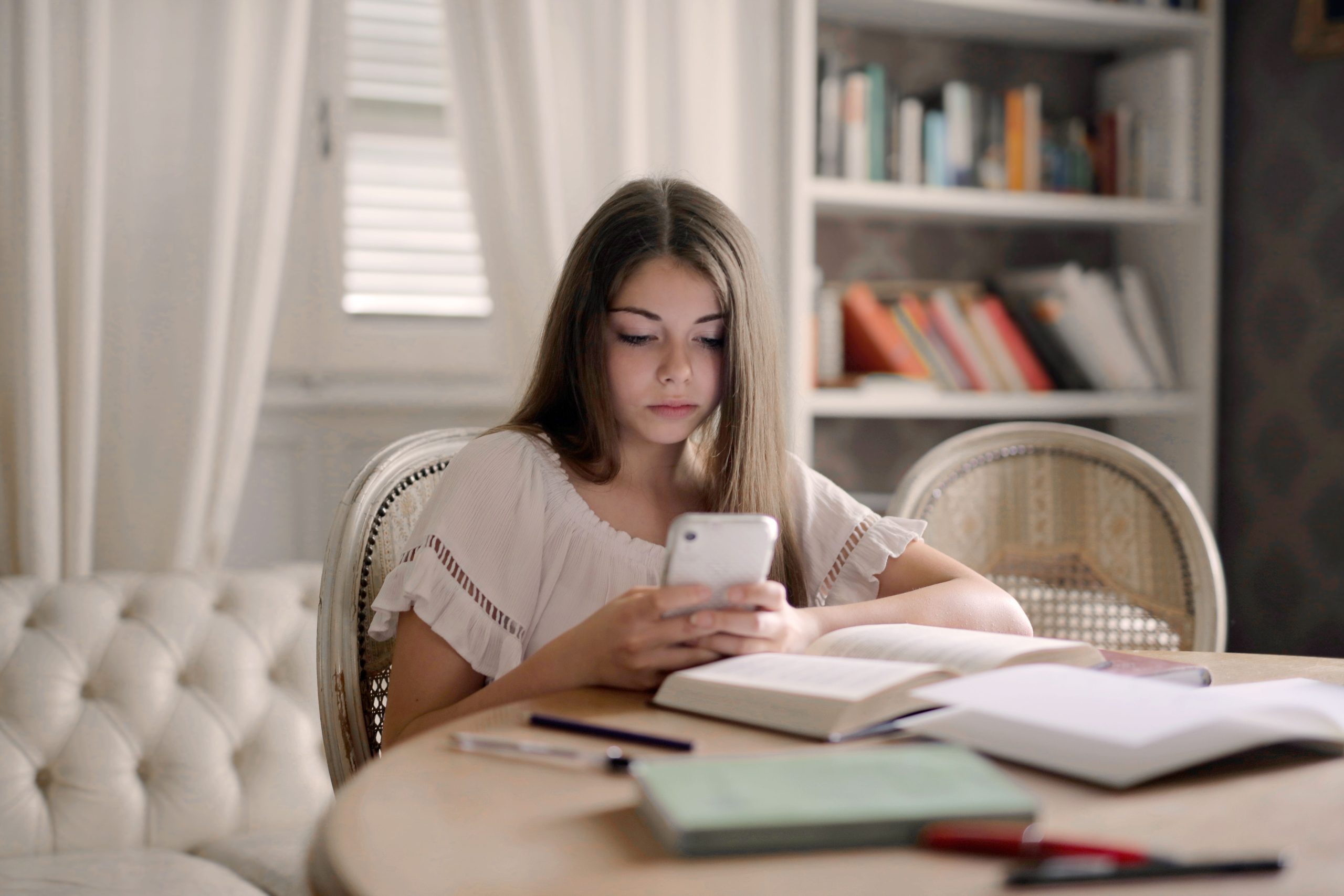
Students in Bangladesh use their phones for more than calls and social media. They also use them to study.
Stuck on a math problem? Your phone can help. Search for a video. Missed a class? Ask a friend to send the notes. There are also books, practice questions, and lessons available online.
Having all of this on one small device is useful. The hard part is knowing when to study and when to put the phone down.
Videos Can Make a Difficult Lesson Feel Easier
Sometimes you understand the lesson at first, but then you get lost. Before you understand it, the teacher has already moved on.
A recorded video doesn’t move on without you. Pause it. Go back ten seconds. Watch the same example again. This can make learning much easier.
Everyone Can Learn at a Different Speed
Recorded lessons let students choose how they study. They can:
- Pause difficult sections
- Watch a lesson more than once
- Skip something they already know
- Write notes while watching
- Return to a topic before an exam
There is no need to keep up with anyone else.
A Bus Ride Can Become Study Time
Phones have one obvious advantage: they’re already with us. A student travelling home can read a few notes on the bus. You can use the time before class to quickly go over what you learned yesterday.
It doesn’t sound like much. But ten minutes here and another fifteen minutes later can add up over a week. Of course, studying on a crowded bus isn’t going to replace a quiet desk. It simply gives students another chance to use spare time.
Some Study Materials Can Be Found for Free
Books cost money. For families buying several textbooks, guides, and other materials, those costs can grow.
A phone gives students access to some free alternatives. Public learning resources, digital books, notes, and educational videos are available online. Hundreds of documents can also be stored on one device.
Internet Access Is Still a Problem
Not every student in Bangladesh has the same connection. Someone living in a city with fast mobile internet may watch lessons whenever they want. In another area, loading the same video could be frustrating or expensive.
Video uses a lot of data as well. For a student trying to keep mobile costs low, watching several long lessons each week may not be practical.
Download Now, Study Later
Offline files can help with this. When students have a good connection, they can save:
- PDFs
- E-books
- Videos
- Class notes
- Practice papers
They can open those files later without using more mobile data. It is a simple solution, but it can make a phone much more useful for studying and playing at PlayBaze mobile app.
Not Everyone Has a New Smartphone
Not every student has the same type of phone. Some have newer phones, while others use older ones. One student might own a fast phone with plenty of storage. Another could be using an old device with a small screen and weak battery. Some may share a phone with parents or siblings.
That changes what each student can do. Schools and teachers need to keep these differences in mind before making phone-based learning a major part of a course.
Then There’s the Biggest Problem: Distraction
You pick up the phone to search for one science question. A notification appears. You answer it. Then you open social media for a minute. Someone has posted a video, so you watch that too.
Half an hour disappears. Phones put schoolwork and entertainment in the same place. Staying focused can therefore be harder than it is with a normal book.
A Few Simple Rules Can Help
Students don’t need to turn their smartphones into boring study machines. They can make small changes instead. Turn off notifications for half an hour. Keep social media closed until the lesson is finished. Put the phone on silent when reading.
Some people find short study periods easier too. Study for 30 minutes. Take a break. Then come back. Simple routines are often easier to follow than complicated plans.