

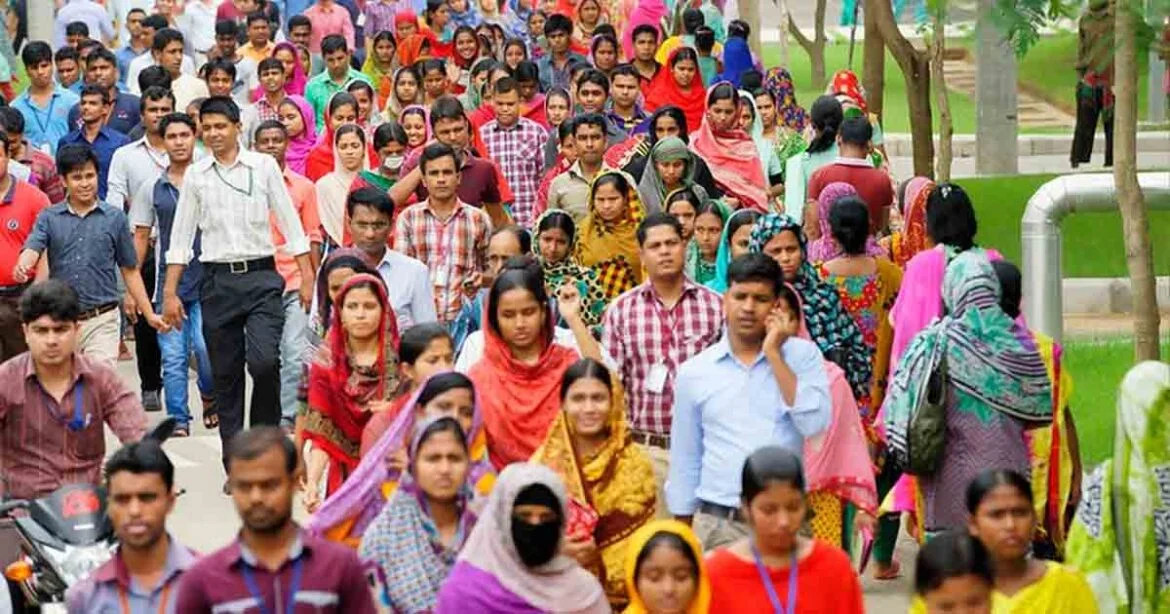
When you study population problem in bangladesh composition, you understand a major challenge that affects the country’s economy, environment, and daily life. Bangladesh is one of the most densely populated countries in the world, and this high population creates pressure on limited resources. You can see its impact on food supply, housing, education, and employment. Rapid population growth makes development difficult and slows down progress. For SSC and HSC students, this topic is important because it connects real-life issues with academic learning.
Population Problem in Bangladesh Composition For SSC
Bangladesh is one of the most densely populated countries in the world. Although the country has made remarkable progress in many sectors, rapid population growth remains a major challenge. A large population creates pressure on land, food, housing, education, healthcare, and employment opportunities. As a result, the overall development process becomes more difficult. Bangladesh has a population of more than 170 million people living within a relatively small land area, making population density extremely high.
The population problem affects almost every aspect of national life. Unemployment increases when the number of job seekers grows faster than available jobs. Many young people struggle to find suitable employment, which creates economic and social challenges. Overpopulation also contributes to poverty, traffic congestion, environmental pollution, and pressure on public services. In urban areas, the demand for housing, transportation, and sanitation often exceeds available resources.
Several factors are responsible for this problem. Lack of awareness, poverty, early marriage, and insufficient family planning practices contribute to population growth. However, Bangladesh has achieved significant success in reducing birth rates through family planning programs and public awareness campaigns. Even so, continued efforts are necessary to maintain sustainable population growth.
To solve the population problem, the government and citizens must work together. Expanding education, promoting family planning, creating employment opportunities, and raising public awareness can help control population growth. If effective measures are taken, Bangladesh can transform its large population into a valuable human resource.
বাংলা অর্থ:
বাংলাদেশ বিশ্বের অন্যতম ঘনবসতিপূর্ণ দেশ। দেশের বিভিন্ন ক্ষেত্রে উন্নতি হলেও অতিরিক্ত জনসংখ্যা এখনও একটি বড় সমস্যা। বিপুল জনসংখ্যার কারণে খাদ্য, বাসস্থান, শিক্ষা, স্বাস্থ্যসেবা ও কর্মসংস্থানের উপর ব্যাপক চাপ সৃষ্টি হয়। বর্তমানে ১৭ কোটিরও বেশি মানুষ তুলনামূলক ছোট ভূখণ্ডে বসবাস করছে, ফলে জনসংখ্যার ঘনত্ব অত্যন্ত বেশি।
জনসংখ্যা সমস্যা দেশের অর্থনীতি ও সমাজে নানা নেতিবাচক প্রভাব ফেলে। কর্মসংস্থানের তুলনায় চাকরিপ্রার্থীর সংখ্যা বেশি হওয়ায় বেকারত্ব বৃদ্ধি পায়। এছাড়া দারিদ্র্য, যানজট, পরিবেশ দূষণ এবং মৌলিক সেবার সংকট দেখা দেয়। শহরাঞ্চলে বাসস্থান ও নাগরিক সুবিধার চাহিদা দ্রুত বৃদ্ধি পাচ্ছে।
এই সমস্যার প্রধান কারণগুলোর মধ্যে রয়েছে দারিদ্র্য, অশিক্ষা, বাল্যবিবাহ এবং পরিবার পরিকল্পনা সম্পর্কে সচেতনতার অভাব। তবে পরিবার পরিকল্পনা কার্যক্রমের মাধ্যমে বাংলাদেশ জন্মহার কমাতে উল্লেখযোগ্য সাফল্য অর্জন করেছে।
জনসংখ্যা সমস্যা সমাধানের জন্য শিক্ষা বিস্তার, পরিবার পরিকল্পনা, কর্মসংস্থান সৃষ্টি এবং জনসচেতনতা বৃদ্ধি অত্যন্ত জরুরি। সঠিক পদক্ষেপ গ্রহণ করা হলে দেশের জনসংখ্যাকে দক্ষ জনশক্তিতে রূপান্তর করা সম্ভব।
Population Problem in Bangladesh Composition For HSC
Population is considered one of the greatest challenges facing Bangladesh. Although the country has achieved remarkable progress in education, healthcare, agriculture, and economic growth, the rapid increase in population continues to create serious difficulties. Bangladesh has a very high population density because a large number of people live within a limited land area. As a result, the available resources are often insufficient to meet the growing demands of the people.
The population problem affects almost every sector of the country. Unemployment is one of its major consequences. Every year, thousands of educated young people enter the job market, but employment opportunities do not increase at the same rate. This creates frustration and economic hardship. Overpopulation also puts pressure on food production, housing, transportation, healthcare services, and educational institutions. In many urban areas, traffic congestion, environmental pollution, and inadequate sanitation have become common problems.
Several factors contribute to rapid population growth in Bangladesh. Poverty, illiteracy, early marriage, and a lack of awareness about family planning are among the main causes. In rural areas, many families still prefer larger households for economic and social reasons. Although family planning programs have reduced the birth rate compared to previous decades, the challenge remains significant.
To address this problem, both the government and citizens must take effective steps. Expanding education, especially female education, raising awareness about family planning, creating more employment opportunities, and improving healthcare services can help control population growth. Public participation is also essential for achieving long-term success.
In conclusion, the population problem is a major obstacle to the sustainable development of Bangladesh. If proper measures are implemented and public awareness increases, the country can convert its vast population into a productive and skilled workforce, contributing positively to national progress.
বাংলা অর্থ:
জনসংখ্যা সমস্যা বাংলাদেশের অন্যতম প্রধান সমস্যা। শিক্ষা, স্বাস্থ্যসেবা, কৃষি ও অর্থনীতিতে উল্লেখযোগ্য উন্নতি সত্ত্বেও দ্রুত জনসংখ্যা বৃদ্ধি দেশের জন্য বড় চ্যালেঞ্জ হয়ে দাঁড়িয়েছে। সীমিত ভূমির মধ্যে বিপুল সংখ্যক মানুষ বসবাস করায় দেশের সম্পদের উপর ব্যাপক চাপ সৃষ্টি হয়।
এই সমস্যা দেশের প্রায় সব খাতে প্রভাব ফেলে। বেকারত্ব এর অন্যতম ফলাফল। প্রতিবছর বিপুল সংখ্যক শিক্ষিত যুবক চাকরির বাজারে প্রবেশ করলেও কর্মসংস্থানের সুযোগ সেই হারে বাড়ে না। এছাড়া খাদ্য, বাসস্থান, পরিবহন, স্বাস্থ্যসেবা ও শিক্ষার উপরও অতিরিক্ত চাপ পড়ে। শহরাঞ্চলে যানজট, পরিবেশ দূষণ এবং অপর্যাপ্ত স্যানিটেশন সাধারণ সমস্যায় পরিণত হয়েছে।
দারিদ্র্য, নিরক্ষরতা, বাল্যবিবাহ এবং পরিবার পরিকল্পনা সম্পর্কে সচেতনতার অভাব জনসংখ্যা বৃদ্ধির প্রধান কারণ। এই সমস্যা সমাধানের জন্য শিক্ষা বিস্তার, নারীর ক্ষমতায়ন, পরিবার পরিকল্পনা এবং কর্মসংস্থান সৃষ্টি অত্যন্ত গুরুত্বপূর্ণ।
সঠিক পরিকল্পনা ও জনসচেতনতার মাধ্যমে বাংলাদেশ তার বিশাল জনসংখ্যাকে দক্ষ মানবসম্পদে পরিণত করে দেশের উন্নয়নে কাজে লাগাতে পারে।
Conclusion
In conclusion, the population problem in bangladesh composition highlights a serious challenge that affects every sector of the country. You can clearly see how rapid population growth creates pressure on resources, employment, and living standards. Without proper control, it may slow down national progress and increase social difficulties. However, this problem is not without solutions. Through education, awareness, and effective planning, positive change is possible. You have a role to play as well by understanding the issue and supporting responsible decisions.
FAQs
Q1. What is the population problem in Bangladesh?
The population problem refers to the rapid growth of people in Bangladesh, which creates pressure on resources like food, housing, jobs, and healthcare.
Q2. Why is overpopulation a major issue in Bangladesh?
Overpopulation is a major issue because the country has limited land and resources, making it difficult to support a large number of people properly.
Q3. What are the main causes of population growth in Bangladesh?
The main causes include poverty, lack of education, early marriage, and limited awareness about family planning.
Q4. How does population growth affect the economy?
It increases unemployment, reduces income opportunities, and creates pressure on public services, slowing down economic development.
Q5. What steps can be taken to control population growth?
Improving education, promoting family planning, creating job opportunities, and raising public awareness can help control population growth effectively.